




Artist Statement
I begin with fragments—the curl of peeling wallpaper, a rug underfoot, the slow retreat of a tide. These details represent the kinds of moments that can slip away unnoticed, shaped by memory as it extends, preserves, and sometimes loses them. These elements suggest the passage of time and the quiet ways experience is held within surfaces, spaces, and objects.
Working with photography, collage, stitching, and drawing, I explore themes of stillness, movement, and transformation. These invite reflection on the interplay between presence and impermanence—how they can change and persist even as details fade.
I aim to capture the essence of an experience through an amalgamation of cues and fragments — an approach that holds space for both the fleeting and the enduring, allowing place and recollection to remain fluid. Processes of disruption and renewal are central to my practice. Cutting, layering, and reworking become ways of thinking through experiences rather than simply representing them. Through this approach fragments are brought into new relationships and images become spaces where multiple readings can coexist to construct new versions of a memory.






Project Statement
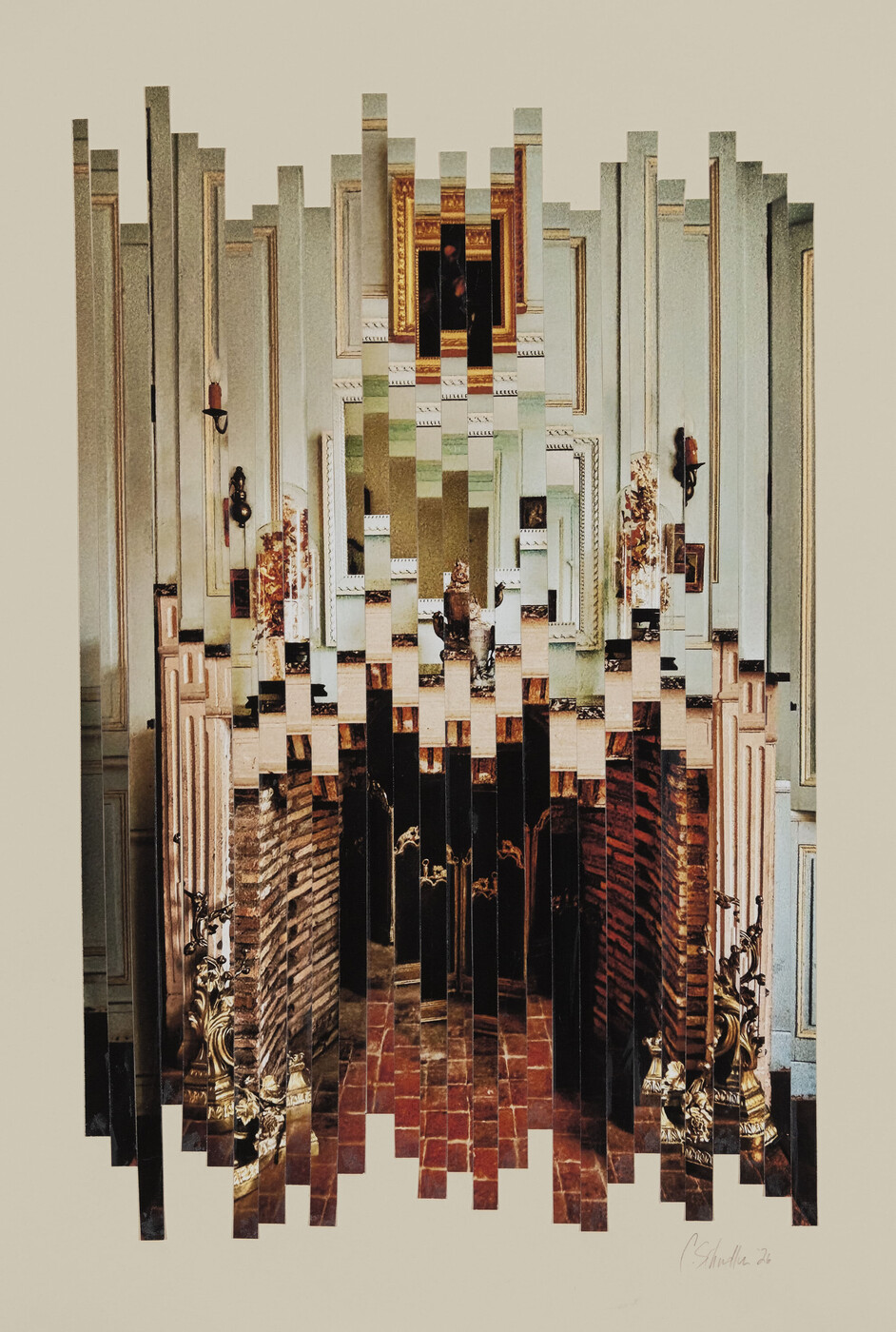
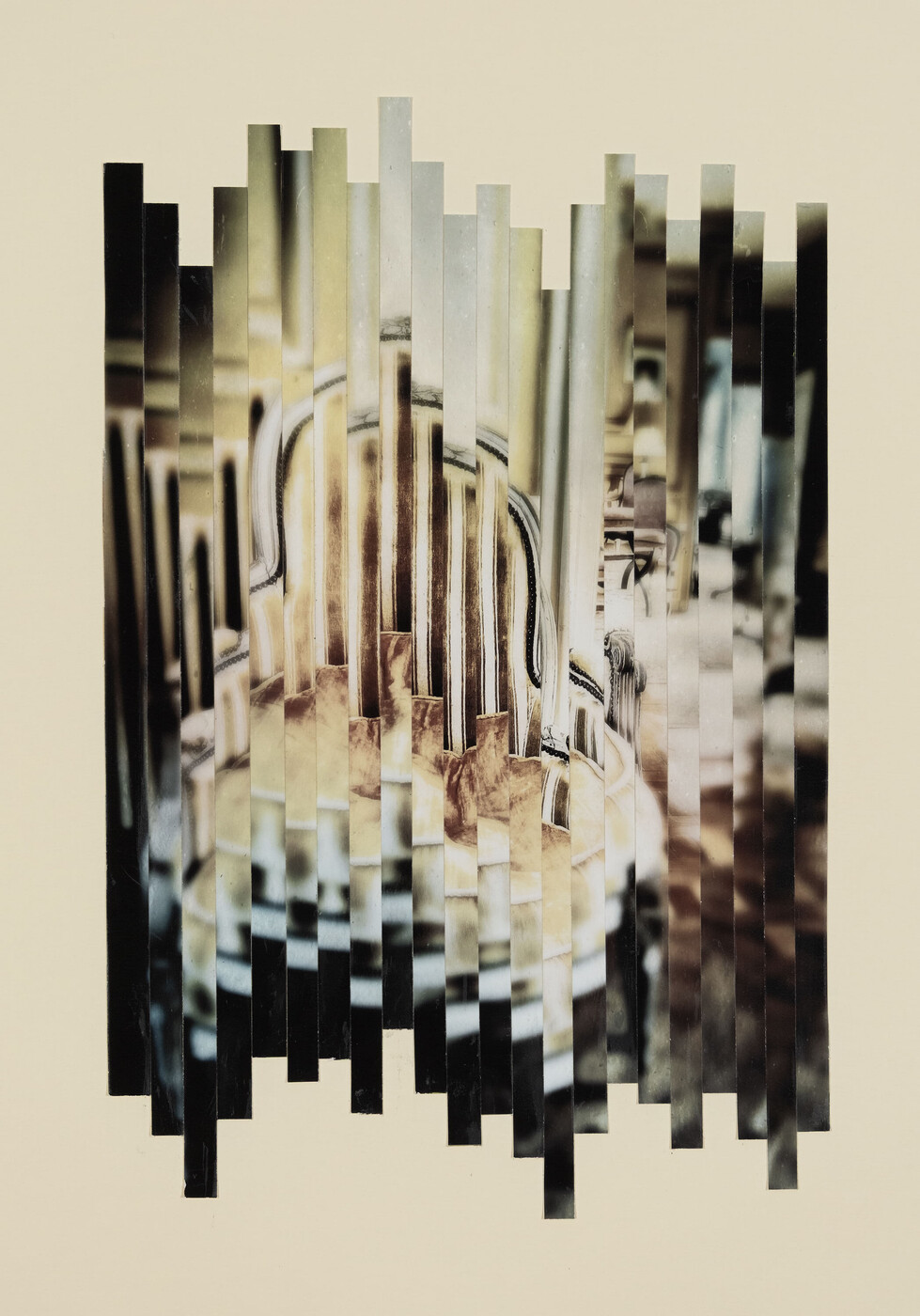
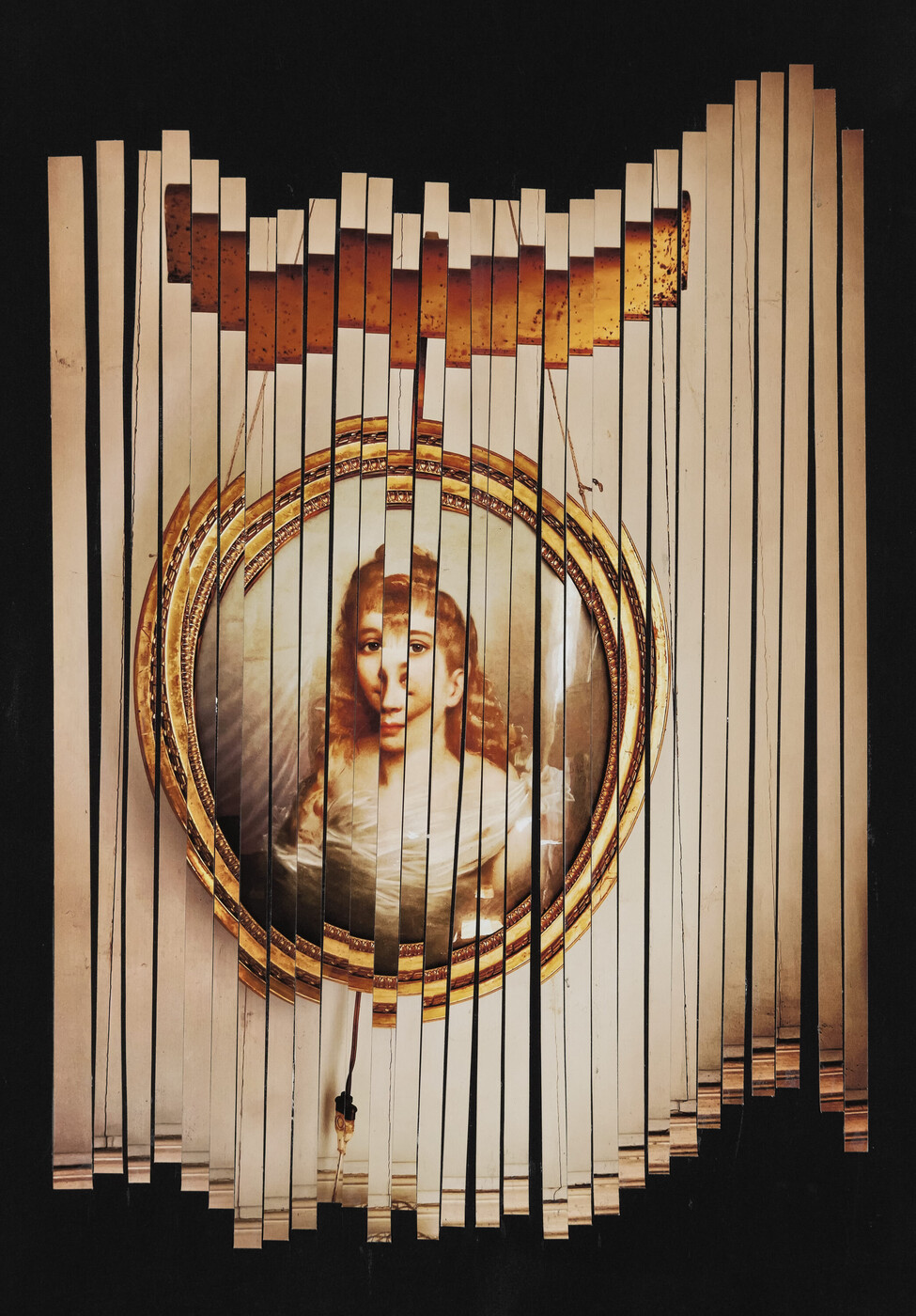
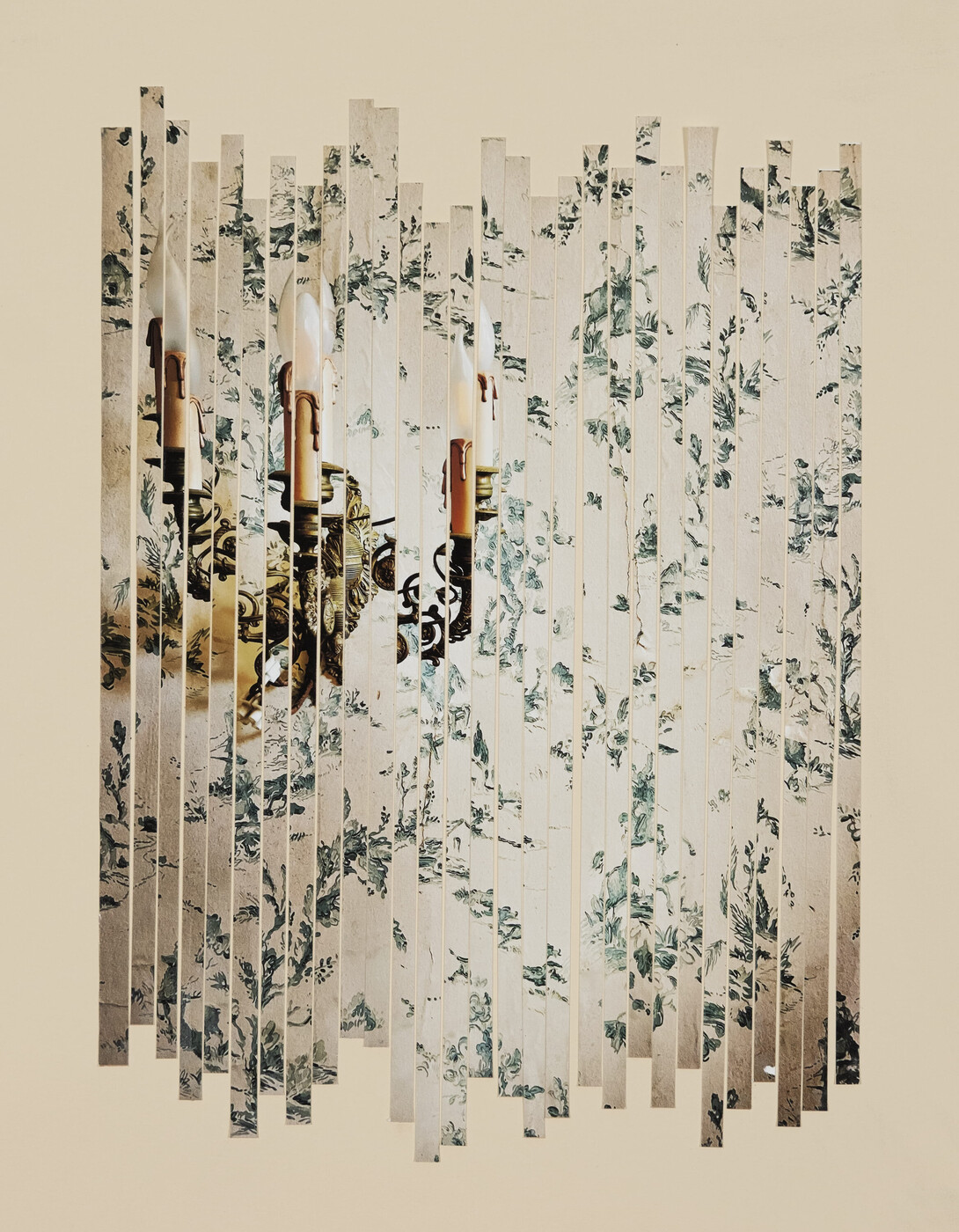
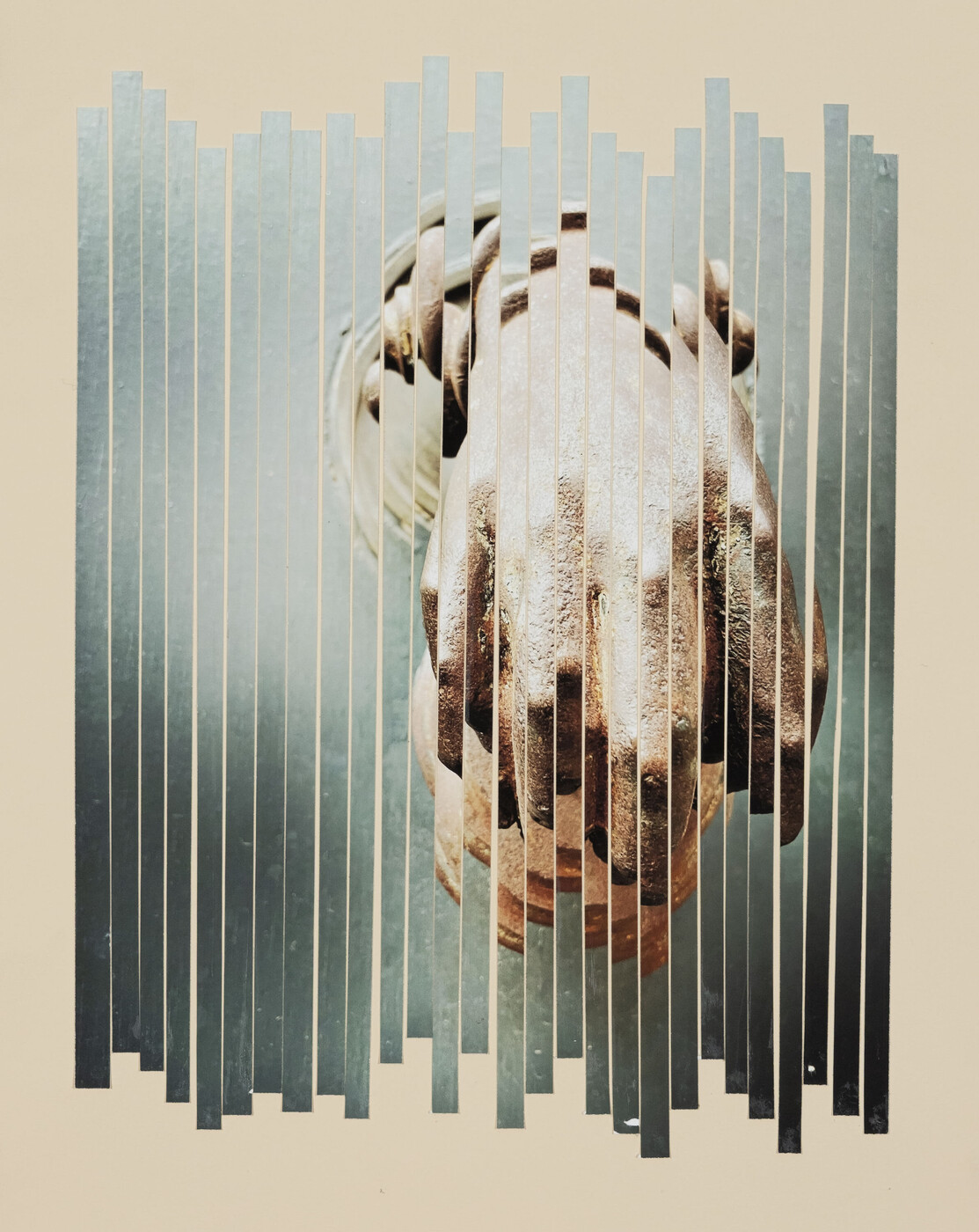
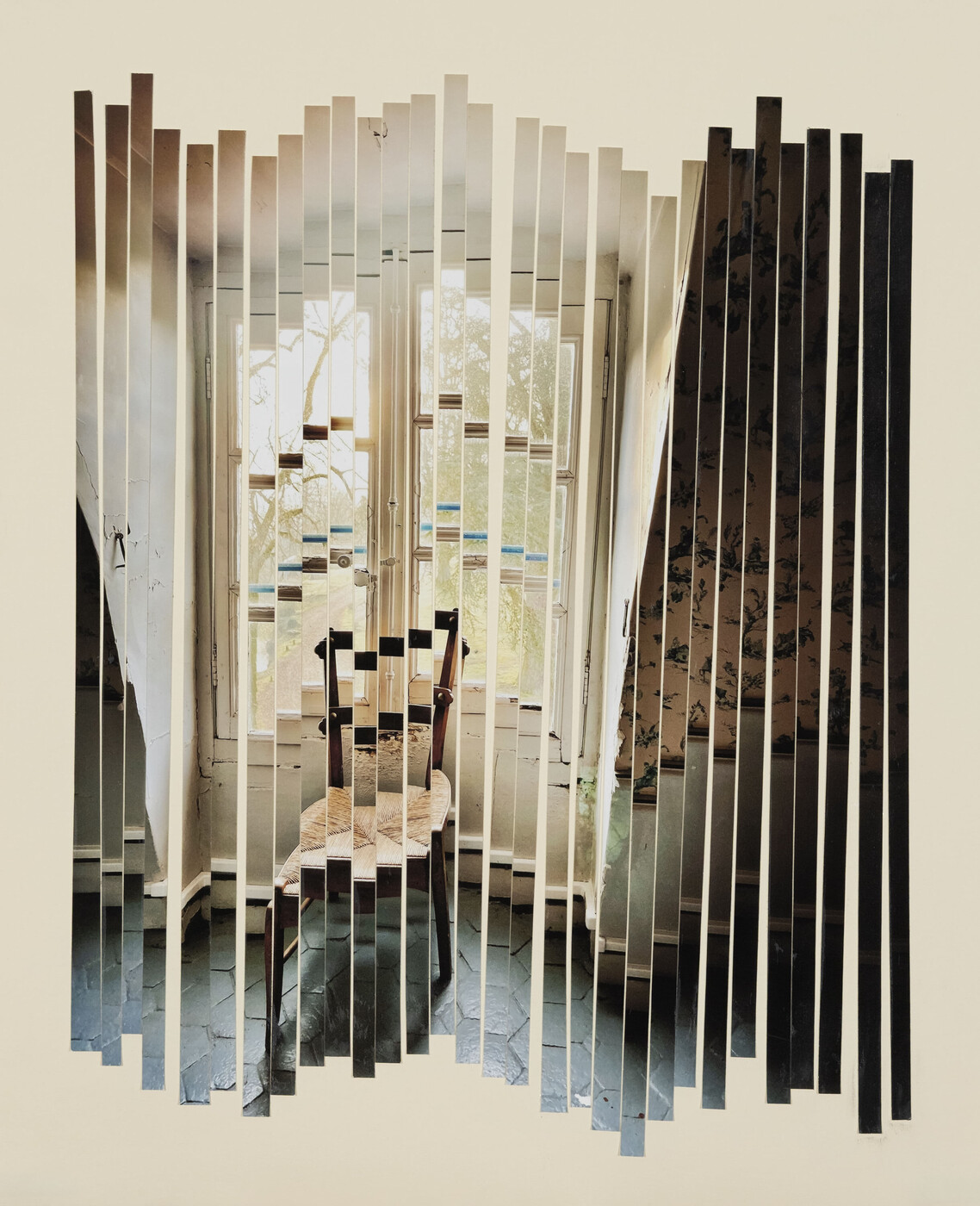
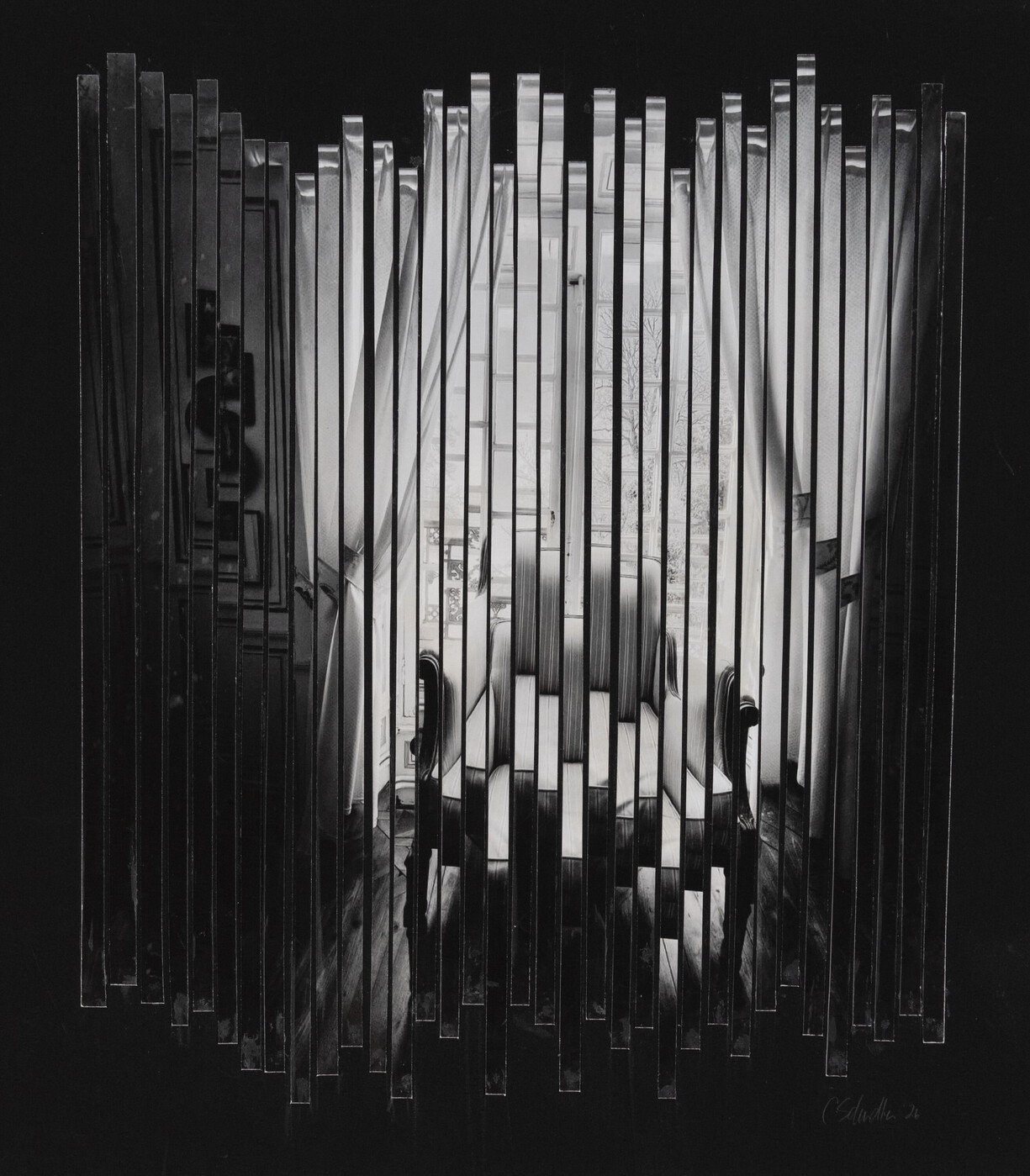
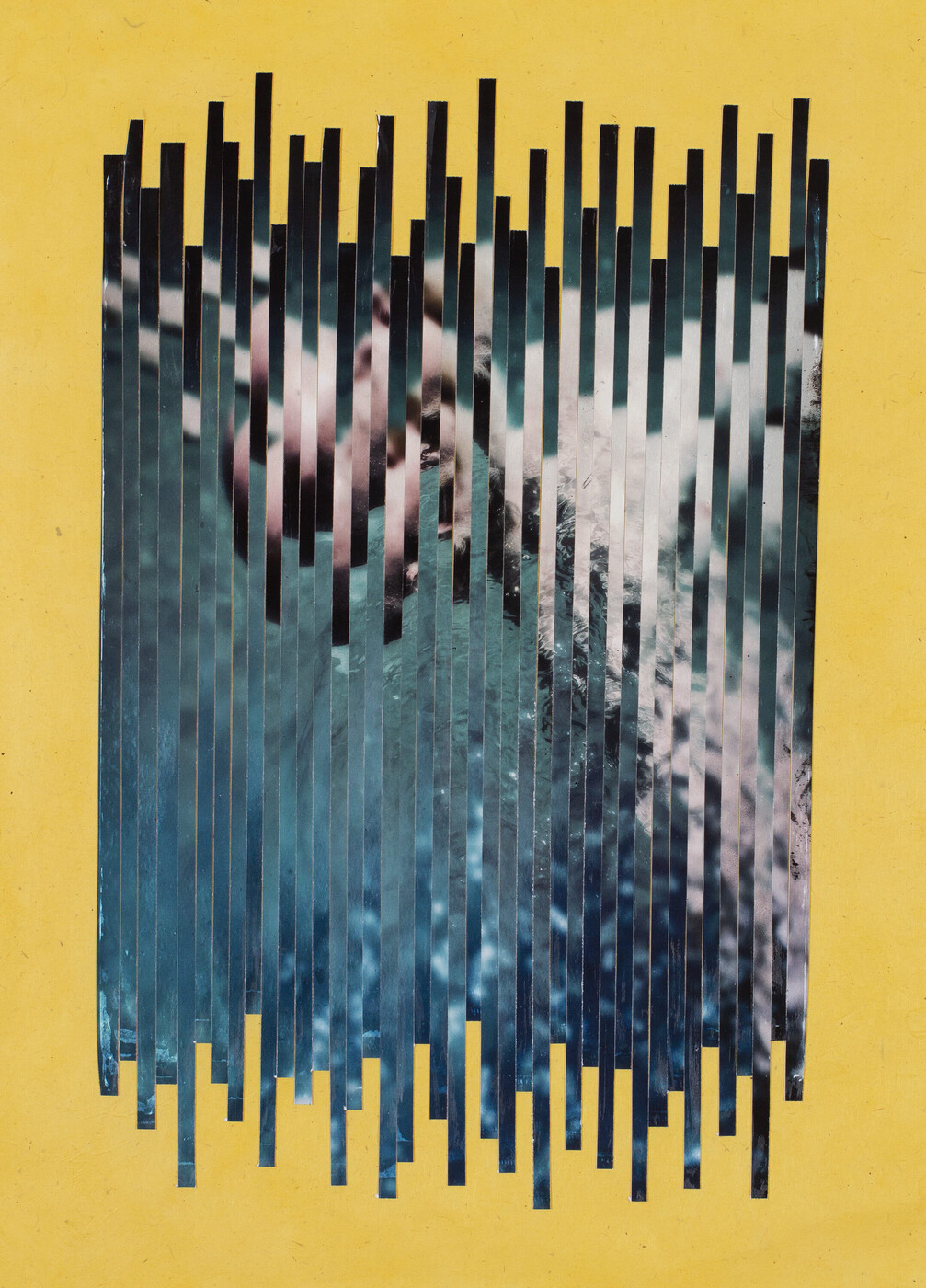
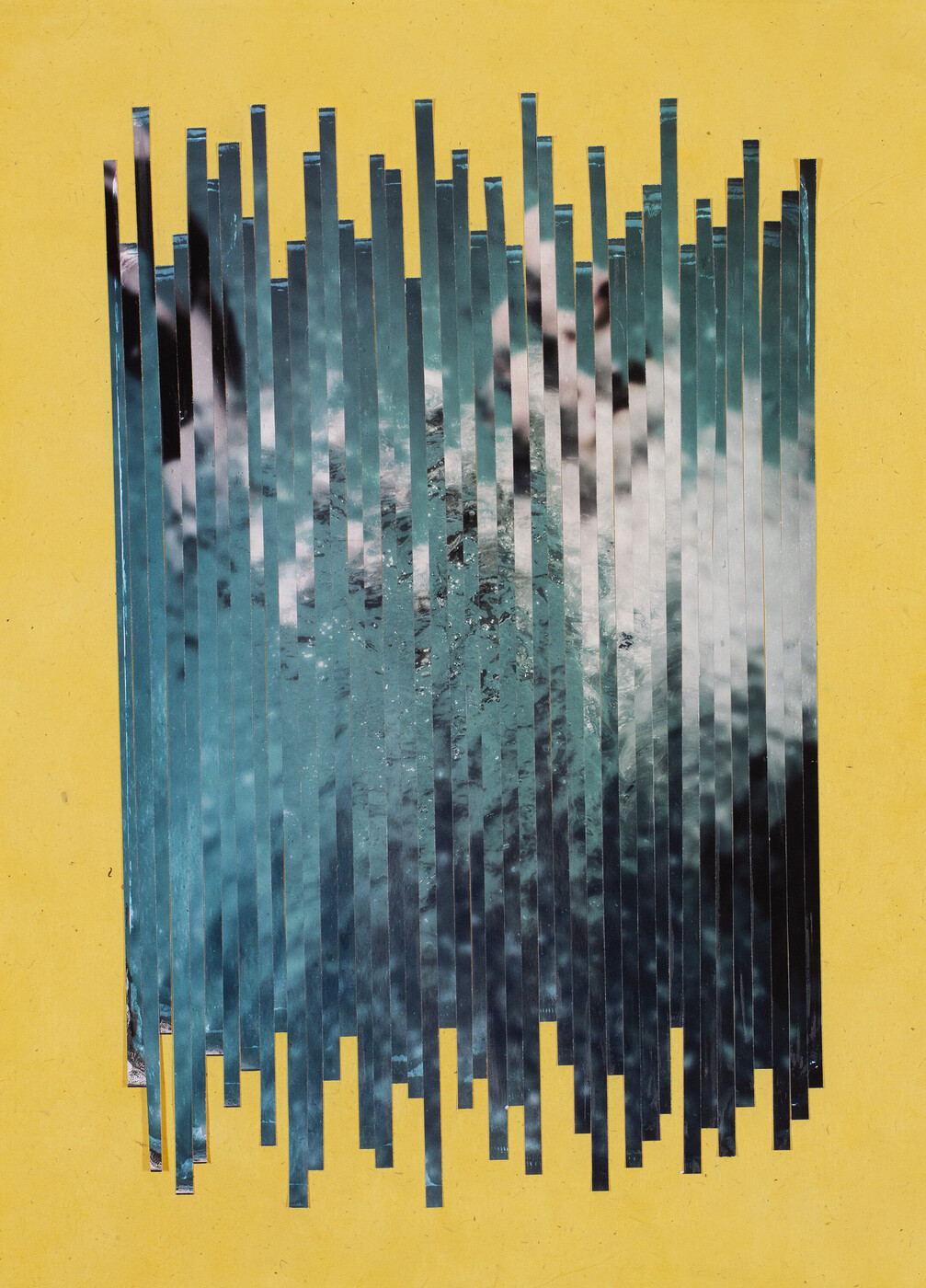
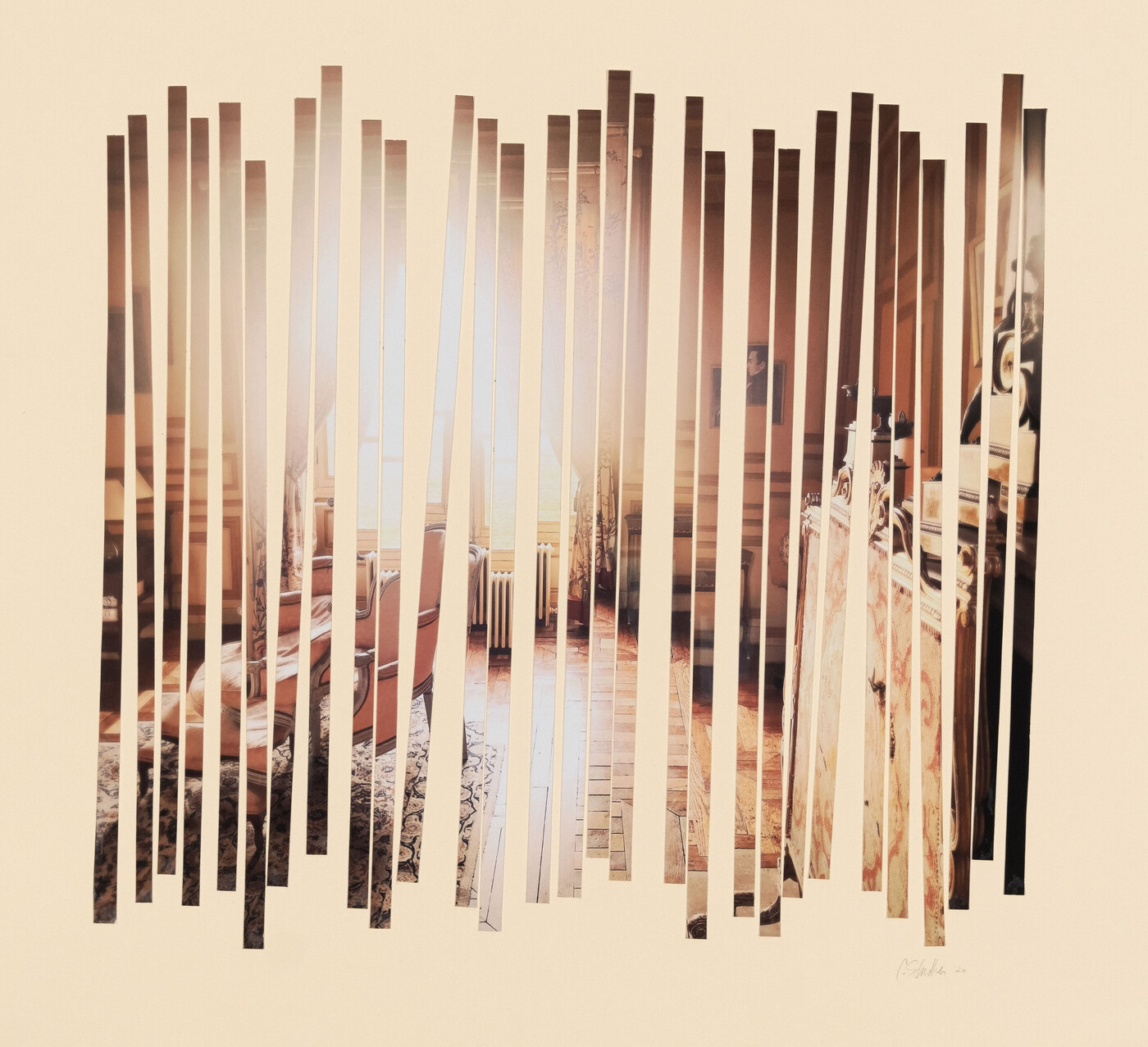
The Linger and Languish series uses photography and collage to consider what cannot be fully restored or seen the same way twice. Exploring memory, presence, and the transience of captured moments, the collaged images shift—their meanings refracted through time and the fragile persistence of recollection.
A photographic image is an edited moment—a snippet of time held without the previous or subsequent moment to direct its context and reading. The series is about change, transformation, strength, resilience, and being present. An experience cannot be relived, only revisited, and each time that experience is recalled, it is incrementally changed in unnoticed ways. Moments reveal clues to be gathered, interpreted, assembled, and reimagined. They are traces of recognition, sometimes in order and out of order, but never without order.
Collage allows me to shift the pieces and alter the structure of the image so that it remains familiar yet peculiar. At times, the mind reconstructs the image, overlooking the visual shifts that render it fragmented and pieced back together.
Lens-based media function as instruments for capturing moments. As documentary records of an instant, they suggest truth, yet memory and photography alter what they hold. The images are intentionally overprocessed; layered with multiple filters, their tones shift and subtle details become difficult to discern. A high-key visual language, akin to a cinematic strategy, draws attention while imbuing the images with both importance and strangeness.
In this way, the images are never fixed, but continually reshaped through perception and recall.